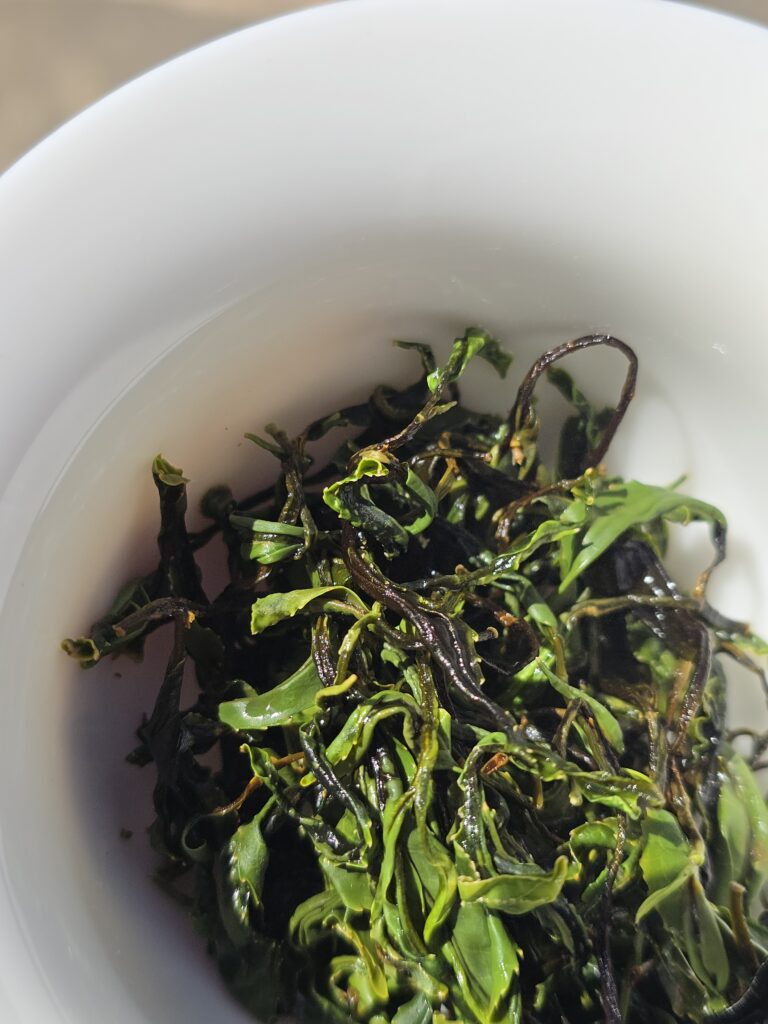
Cold Brew Green Tea: The Easiest Thing You Are Not Doing Yet
Is cold brew tea just... forgotten cold tea?
Honestly? Yes and no.
This is not ‘left it on the worktop and forgot about it’ cold tea. Cold brew green tea is cold on purpose, and this intention is where the difference lies.
Green tea has a reputation for bitterness, but I am here to tell you that reputation is mostly due to low quality tea leaves, or tea brewed too hot or for too long. Good quality green tea, brewed properly, is not bitter. Cold brewing just takes this a step further. As when tea leaves infuse and unravel slowly in cold water overnight, you discover a brew that is smooth, nuanced and super refreshing to drink. The same leaf offering something different.
Some teas even reveal notes and flavours that are only a whisper in the background when brewed hot. Duck Sh*t oolong cold brewed will stop you in your tracks, but that is a whole other story.
This method is one that I keep coming back to every summer and usually most of Spring and Autumn too. It brews itself overnight while you sleep. Not sure I can ask for less effort than this.
What tea should I use for cold brewing?
Not all teas are equal for cold brewing, and this is where it can get interesting.
Cloud Mist is my go to recommendation for anyone starting out with cold brew. It is smooth, easy to drink and produces a cold brew that is clean and a gentle soft sweetness that feels so refreshing in the cup. If you have ever found some green teas too sharp or acidic then Cloud Mist cold brewed will change your mind.
Dragonwell, also known as Longjing, is one for folk who are looking for something with a bit more body to it. Buttery with a smooth slightly sweet nuttiness that announces itself beautifully through the cold brew. It is slightly more complex and absolutely worth exploring. Yes that buttery note does come from the tea leaves. No there is nothing added to create this, just the humble tea leaf.
Both are available in the shop 😉
Do I need any fancy equipment?
Simply, no. And this is what always surprises people.
A clean bottle or jar with a lid is all you really need. I have used everything from an old Volvic bottle to the purpose made Hario cold brew bottle, which if you catch me at an event you can pick up one from me there. Having a clean lid matters more than anything else, because your fridge has it’s own particular smell, and you do not want to end up with fridge tasting tea (from experience, trust me).
Good water matters too. Tea is 99.9% water (don’t quote me on that number) so it’s not surprising that water quality can make or break the final result. If your tap water is chlorinated, filtered or bottled water would be a good choice.
What you need
Good quality loose leaf tea
Clean bottle, jug or jar with a lig
Cold water, good quality
Optional: Hot water at 80c and a gaiwan or small cup for flash hot brew
The Method
Use 1g of tea per 100ml of water. So a 500ml bottle needs around 5g of dry leaf. Optional flash brew: pour 80c water over your leaves, leave for 15 seconds then pour that into a cup and enjoy it as a quick gongfu style brew. It is lovely like this.
Add your tea leaves to your cold brew vessel.
Fill with cold water, seal, and place in the fridge.
Leave for at least 6 hours. I usually leave it overnight. If you skipped the flash hot brew then give it at least 12 hours.
That is it.
You now have a cold brew that will keep in the fridge for a couple of days, though in my own experience it rarely lasts that long.
A few tips
Highly recommend adding the flash hot brew step, it helps kick start the cold brewing process and dramatically reduces the time needed.
There is also a secret option, where you cold brew a concentrate. The only difference here is the amount of leaf needed, for this I recommend 10g of fresh leaf to 500ml of water. The bonus with concentrate cold brew is that you can dilute this with sparkling water, cold water or hot water to achieve the brew you’d like. If creating a concentrate please do decant the liquid into a clean bottle or container after 2 days at the most. This can be kept for up to a week in the fridge (the concentrate not the leaf, they can be composted).
Why does cold brew taste different to hot brew?
The water temperature changes which compounds are extracted or released from the tea leaf. Hot water extracts everything quickly, including the tannins and catechins that can make tea taste astringent if you are not careful. Cold water extracts more slowly and gently, pulling out the sweeter more delicate flavour notes and leaving much of the other compounds behind.
The result is a smoother, sweeter, easy to drink tea. It is the same leaf, just a totally different conversation you get to have with your tea.
Any questions?
Drop me a message on Instagram, reply to any tea mail, or find me at an event. I love talking about tea, and cold brew season is one of my favourite excuses to get the cold brew bottle out.
Go and put some tea in a bottle. You know where to find me!